


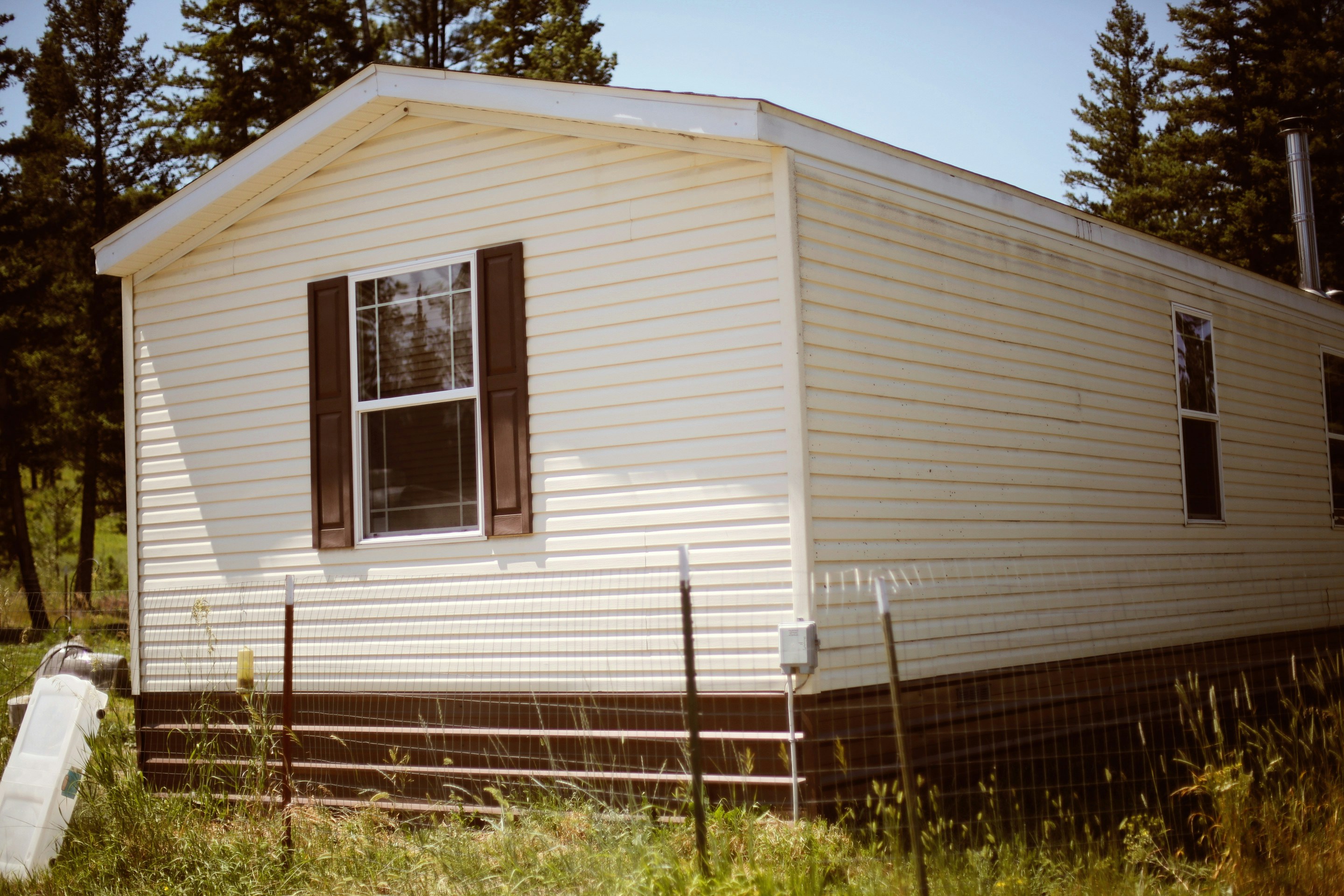
Understanding Manufactured Homes and Their Dynamics
Manufactured homes, often referred to as mobile homes, represent a vital segment of the housing market. These structures are built in a factory and transported to their designated sites, where they are placed on a permanent foundation. The construction process adheres to federal standards set by the HUD Code, ensuring safety and livability. The design of manufactured homes typically includes a wide range of layouts and sizes, allowing for versatility and adaptability to different homeowner needs and preferences.
A key characteristic of manufactured homes is their constitution, which involves a steel frame and pressure-treated wood elements. This construction method contributes to the homes’ durability. However, the dynamics of manufactured homes can pose unique challenges. Over time, various factors, such as soil conditions, moisture levels, and temperature fluctuations, can cause these homes to settle or shift. Such changes are natural due to the interaction between the home’s materials and the environment, which may lead to misalignment of doors and windows, cracking of walls, or issues with plumbing.
To effectively mitigate these risks, the understanding of how manufactured homes operate within their environment is essential. Homeowners must recognize that regular maintenance, including releveling, is crucial to ensuring the longevity and comfort of their living space. By addressing the specific characteristics of manufactured homes, individuals can adopt proactive measures to maintain their homes’ structural integrity. A comprehensive understanding not only enhances livability but also supports the investment homeowners have made in their property.
Why Releveling Is Crucial: The Impact on Safety and Comfort
Releveling manufactured homes is a critical maintenance procedure that cannot be overlooked. Over time, natural settling and shifting of the ground can cause a home’s foundation to become unlevel. This situation poses various risks that can impact not only the structural integrity of the house but also the safety and comfort of its occupants. An unlevel home can lead to substantial structural damage, which may escalate into costly repairs if not addressed promptly.
One of the direct consequences of poor leveling is the strain it places on the home’s various fixtures and appliances. For instance, floors become uneven, putting undue stress on the joints and connections within appliances. This can lead to premature wear and tear, resulting in replacements that may not have been necessary had the home been regularly re-leveled. Similarly, doors and windows can become misaligned, making them difficult to operate. This misalignment not only affects functionality but can also lead to security issues and energy inefficiencies.
In terms of safety, an unlevel manufactured home can create hazards that affect residents’ well-being. Sloped floors can lead to trips and falls, particularly for individuals with mobility challenges. Furthermore, if the home is connected to a utility system, such as plumbing or electrical outlets, an improper leveling can introduce risks related to water damage and electrical failures. The overall comfort of living in a well-leveled home is evident, as straight floors, functional doors, and efficient appliances contribute to a more pleasant living environment.
In light of these factors, regular releveling every three to five years is essential for maintaining a safe, comfortable, and structurally sound manufactured home. This proactive approach not only safeguards your investment but also enhances the quality of life for all residents. Proper maintenance practices ensure that the home remains a safe haven for families, minimizing risks and maximizing comfort.
Signs That Your Manufactured Home Needs Releveling
Homeowners of manufactured homes should remain vigilant for various signs that may indicate their residence has become unlevel. One of the most noticeable indicators is the presence of uneven floors. If walking across your floor feels like navigating a slope, this is often an initial red flag that releveling may be necessary. Additionally, owners might observe that furniture does not sit evenly on the floor, creating a wobbly sensation that can affect comfort and stability.
Another common sign of an unlevel manufactured home is the appearance of cracks in walls or ceilings. These fissures may emerge as the structure settles unevenly over time, compromising the integrity of both aesthetics and structural strength. Moreover, homeowners should pay attention to doors and windows; sticking or jamming can signal that the frames have been affected by the uneven settling of the home. This can make everyday tasks inconvenient and may also lead to further damage if not addressed promptly.
Gaps appearing between walls and floors are also a significant indicator that a home may require releveling. Homeowners might notice drafts in these openings or experience difficulty maintaining proper temperature control within their spaces. Taking the time to perform a simple self-assessment can assist in identifying these issues; this could involve checking the levelness of floors with a carpenter’s level or visually inspecting various rooms for signs of distress. By conducting this evaluation regularly, homeowners can take proactive measures to address potential issues before they escalate. Recognizing these signs early can help in determining whether professional assistance for releveling is warranted, thereby ensuring the continued safety and comfort of inhabitants.
The Releveling Process: What to Expect and When to Schedule
Releveling a manufactured home is a crucial aspect of maintaining its structural integrity and overall comfort. The process typically involves several steps, conducted by qualified professionals who understand the unique demands of mobile structures. Initially, the technician will perform a comprehensive inspection of the home’s foundation and support systems. This examination helps determine the extent of settling or shifting that may have occurred since the last leveling.
Once the assessment is complete, the next step involves lifting the home back to its original position. This is achieved using hydraulic jacks or screw jacks strategically placed to ensure even lifting across the foundational supports. Professionals may also employ leveling software and lasers for precision, ensuring that all measurements are accurate. During this phase, adjustments are made to the piers and beams, which support the home, to enhance stability and prevent future shifting.
Homeowners should be aware that releveling is typically recommended every 3 to 5 years, although various factors can influence this timeline. Geographical variations, such as regions with expansive clay soils or frequent seismic activity, may require more frequent attention. Additionally, changing weather patterns, including heavy rains or drought, can lead to soil erosion or settlement, necessitating a reassessment of the home’s level. Understanding these external elements is critical for homeowners in determining a releveling schedule.
Choosing a qualified service provider is paramount in ensuring effective releveling. Homeowners should seek contractors with experience specifically in manufactured home leveling and those who offer references or testimonials from previous clients. Verification of licenses and insurance is also essential to safeguard against potential damages during the process. By prioritizing professional assistance, homeowners can maintain their manufactured home’s value and livability over time.